What the quote scope includes
Configuration lock
Range examples that change the line include 120 V AC branch checks, a -48 V DC telecom plant, and a 600 V distribution point. Impedance is either a high-impedance input, often near 10 MΩ on digital meters, or a low-impedance load used to collapse ghost voltage. Those two inputs are not interchangeable.
Document lock
Measurement accuracy is requested only when the tester displays a number. Calibration traceability then has to name the model, not the product family. A solenoid or lamp tester is documented from its datasheet, duty note, and lead rating instead of a borrowed certificate.
Commercial lock
Currency, per-tester or whole-order budget basis, Incoterm, freight, and exclusions stay outside the instrument body. A supplier preference of high-end, mid-range, budget, or undecided is recorded as the buyer preference. It is not a score the desk assigns.
The frequency range matters when the site is 50 Hz, 60 Hz, or DC. An AC-only pen can be silent on a DC bus even when a contact tester on the same cart would show the plant voltage. Ingress protection is part of the scope when the tool leaves a dry equipment room for a pedestal or a rooftop hut. If the datasheet omits an IP rating, the omission stays an open question rather than a silent assumption of outdoor use.
Safety category is checked on the body and on the leads. CAT III 1000 V and CAT IV 600 V are examples of IEC 61010-1 markings a supplier may be asked to confirm. This page does not assert that any unnamed model carries either marking. The buyer writes the installation, and the supplier answers with the marking on the exact item.
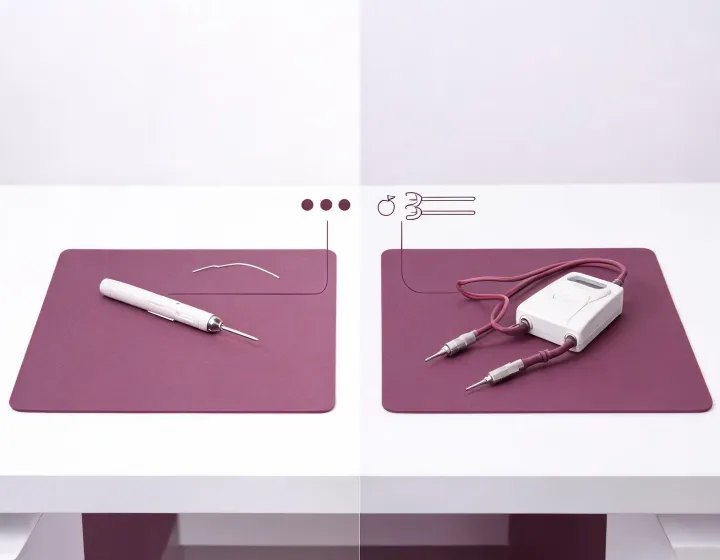
Lead and probe scope is easy to drop from a short email. Fused leads, tip length, and a case can cost more than a small pen. The desk asks for those lines to be priced separately so a voltage tester price comparison does not mix a bare body with a full kit. Quantity is counted in units. A spare pair of leads is its own quantity if it must ship with the first order.
Limitations of the desk are part of the method. The desk does not energize a sample, does not sign a site safety procedure, and does not decide that a circuit is de-energized. It also does not convert a standard citation into product approval. FCC equipment authorization, NRTL safety marks, and a supplier ISO 9001 certificate are requested when they apply to the proposed item. A certificate for a different model is recorded as a mismatch.
New versus refurbished is handled as a condition field. New stock may carry a clearer support path. Refurbished stock may be the available route for an older solenoid form, but only after condition, lead wear, and any remaining calibration traceability are written down. The desk does not recommend one side. It refuses to hide the side that was quoted.
Communication duty is narrow. After a brief arrives, the desk reviews whether range, quantity, destination, and timing are present, then contacts factories for quotations on that text. Missing fields are sent back as questions. A reply time is not published because none is contracted on this site. The path for that exchange is the form on the contact page, not a social account and not a published street address.